

What Is Orthodontics?
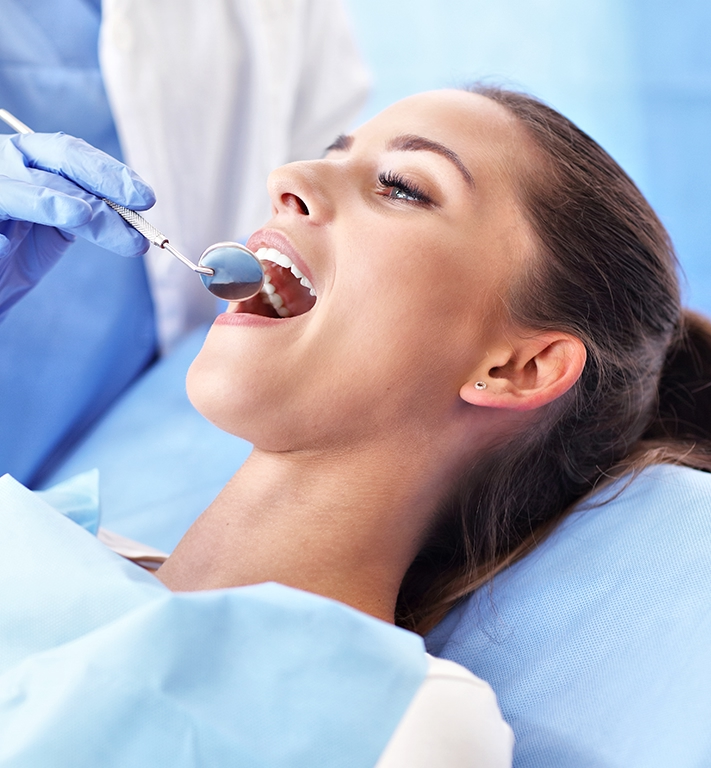
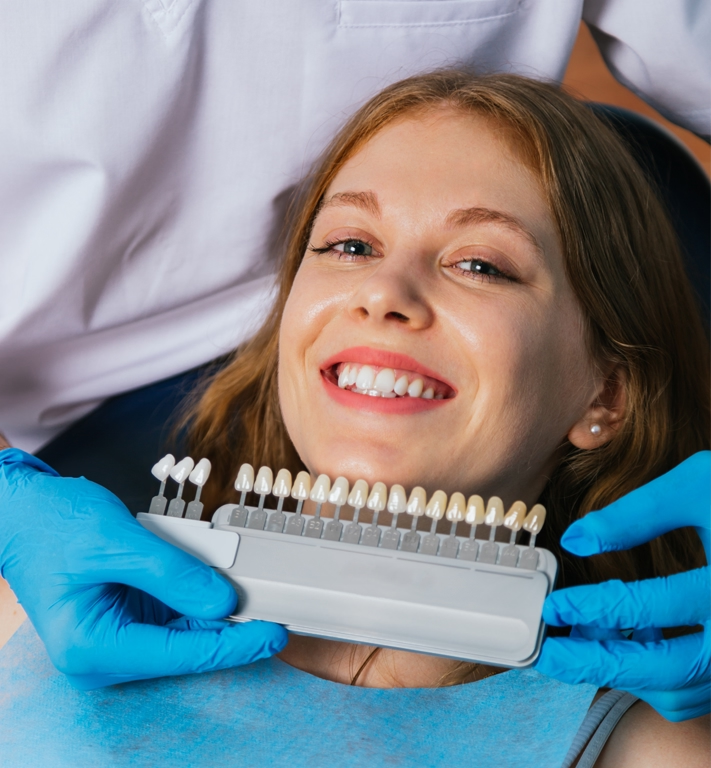
Orthodontics is a specialized branch of dentistry that diagnoses and controls the alignment and relationship of misaligned or crooked teeth, aims to prevent such conditions, and provides their treatment.
What Causes Orthodontic Problems and How Are They Treated?
In cases such as the lower jaw being positioned too far forward or backward, the treatment method is determined based on the patient's age. If the patient is in adolescence and has underdeveloped upper or lower jaw structure, treatment is possible with orthodontic techniques. If the patient is an adult, skeletal disorders are treated through cooperation between orthodontics and surgery. Functional disorders, such as mouth breathing, can also cause jaw misalignment. In individuals who breathe through their mouth, the upper jaw remains narrow and forms a V-shape.
Habits that should be avoided but become persistent, such as prolonged use of bottles and pacifiers, thumb sucking, or nail biting, may also lead to orthodontic disorders. These habits should be treated as early as possible.
Conditions such as having a tongue that is structurally larger than normal or having missing tooth gaps can cause spacing between teeth. If the jaw structure is small and the teeth are large, the teeth cannot fit into the jaw properly and crowding occurs.
Premature or delayed loss of milk teeth can also lead to crowded teeth. When baby teeth fall out earlier than expected, the permanent teeth shift into the empty space. As a result, teeth that are supposed to erupt there cannot find space, leading to crowding.

How Is Orthodontic Treatment Performed?
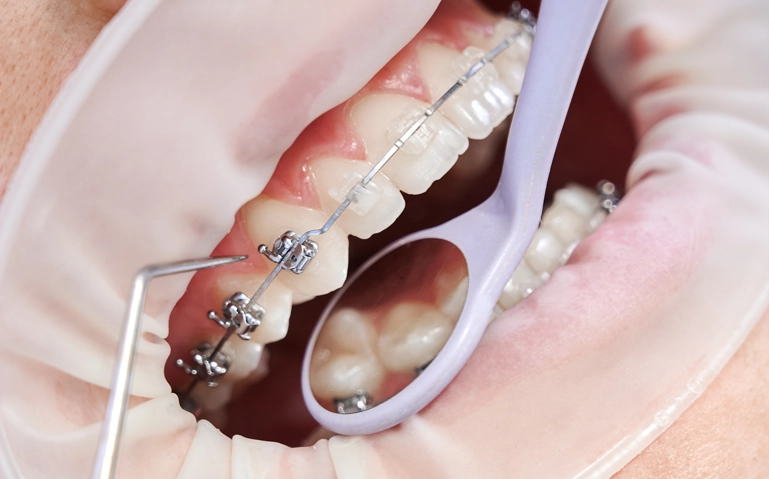
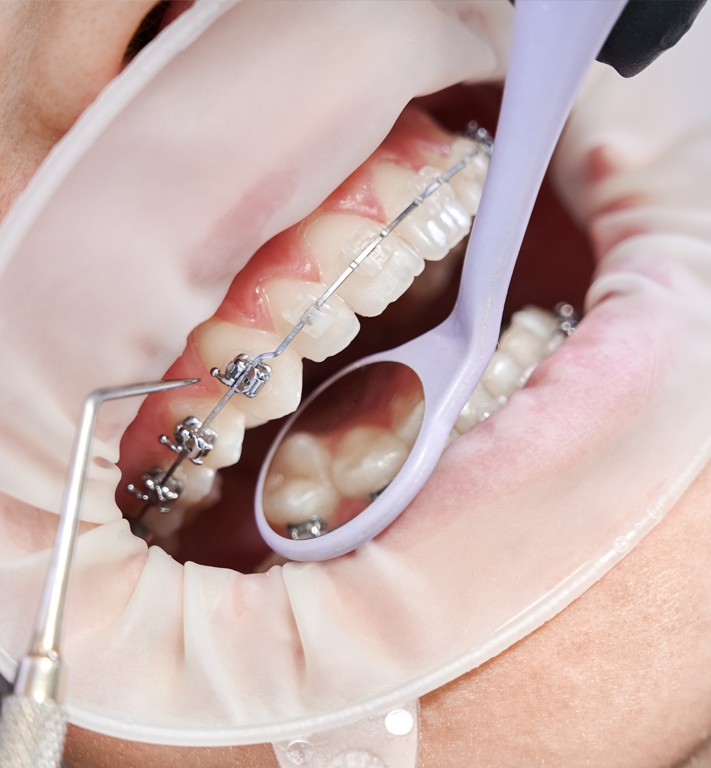
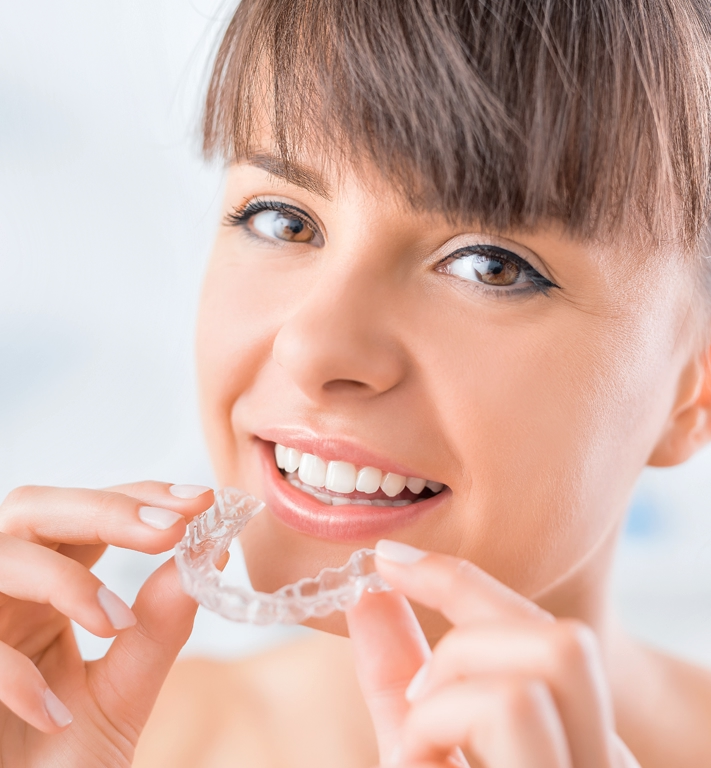
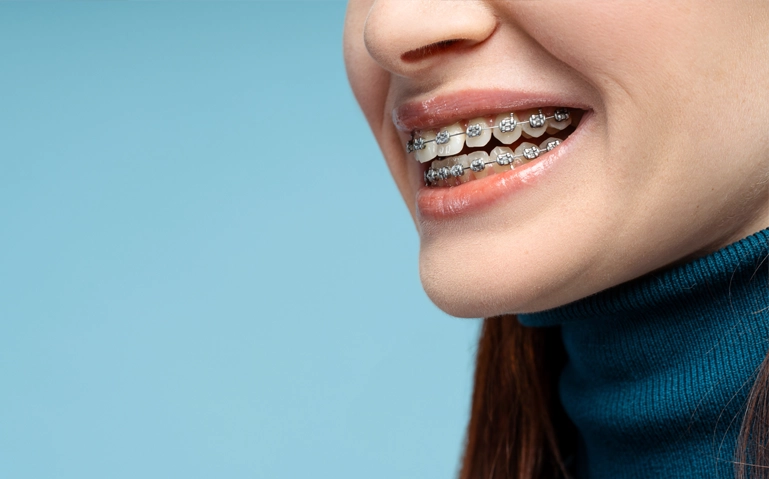
Orthodontic treatment is divided into two types: removable and fixed. Removable treatment involves prosthetics called transparent aligners or appliances that the patient can insert and remove. This method is used to correct minor misalignments and gaps between teeth. In fixed treatment, brackets are bonded to the teeth, which the patient cannot remove. These brackets can be metal or ceramic and are connected with special wires. In this way, the teeth are moved to correct the misalignment.
Additionally, to correct certain jaw problems, external devices such as chin caps and headgear may be used to align the jaws.
What Should Be Considered After Orthodontic Treatment?
There are some important points to pay attention to after orthodontic treatment. The tooth movements performed during treatment tend to relapse afterward. The tendency of the teeth to return to their original positions is due to the elasticity of the gum fibers and the natural forces from functions such as biting and chewing pushing the teeth forward. Each patient may show a different level of relapse tendency.
To prevent relapse, two common precautions are usually taken. One is the fixed retainers applied to the inner surface of the lower teeth after the brackets are removed. These retainers are not noticeable and are easy to clean. Another type is the removable retainer (Essix plate). These are transparent and typically worn 24 hours a day for the first 6 months after treatment. The duration of use is gradually reduced based on the orthodontist’s recommendation.
Protecting the properly aligned teeth after orthodontic treatment is just as important as the treatment itself. Preventing the teeth from shifting back ensures they look good for a lifetime and maintain full chewing function. Therefore, it is essential for patients to carefully follow the retention phase and attend regular check-ups with their orthodontist.